
Your home is your sanctuary, and your roof is its first line of defense against the elements. For homeowners in Apopka, Florida, that means protection from intense sun, heavy rains, and the occasional hurricane. Shingle roofs are a popular choice in Central Florida for their affordability and aesthetic appeal, but they are not immune to wear and tear. Understanding the essentials of shingle roof repair can save you from costly damage, preserve your home’s value, and give you peace of mind.
Ignoring a small leak or a few missing shingles might seem harmless, but these minor issues can quickly escalate into major problems. Water intrusion can lead to rotted decking, mold growth, and compromised structural integrity. This guide will walk you through everything you need to know about shingle roof repair in Apopka, FL. We’ll cover the common signs of damage, what causes them, the repair process, and why acting quickly is the most important step you can take.
Why Shingle Roofs are a Florida Favorite
Asphalt shingles dominate the residential roofing market in the United States, and for good reason. They offer a balance of durability, style, and cost-effectiveness that appeals to many homeowners. In a climate like Apopka’s, where weather conditions can be extreme, the right roofing material is crucial.
There are three primary types of asphalt shingles:
- 3-Tab Shingles: These are the most basic and affordable option. They are made from a single layer of asphalt and have a flat, uniform appearance. While economical, they have a shorter lifespan and lower wind resistance compared to other types, making them more susceptible to damage in Florida’s storm-prone environment.
- Architectural Shingles (or Dimensional Shingles): This is the most popular choice for modern homes. They are constructed with multiple layers of asphalt bonded together, creating a thicker, more durable shingle. Their layered design gives them a textured, dimensional look that can mimic more expensive materials like wood shake or slate. Architectural shingles offer superior wind resistance and a longer lifespan than 3-tab shingles, making them an excellent investment for Apopka homeowners.
- Luxury Shingles: At the high end of the asphalt shingle market, luxury shingles are the thickest and most durable option. They offer premium protection and sophisticated designs that replicate the appearance of natural slate or cedar shake with remarkable accuracy. While they come with a higher price tag, their longevity and curb appeal can significantly enhance a home’s value.
The prevalence of shingle roofs means that experienced local roofers have deep expertise in their installation and repair. This availability of skilled labor makes maintenance and roof repairs more accessible and efficient for homeowners.
Common Shingle Roof Problems in Apopka, FL
Florida’s unique climate contributes to a specific set of challenges for shingle roofs. Being aware of these common issues can help you spot trouble early.
Sun and Heat Damage
The relentless Florida sun is one of the biggest adversaries of an asphalt shingle roof. The constant exposure to intense ultraviolet (UV) rays can have several damaging effects:
- Thermal Cycling: The extreme heat during the day causes shingles to expand, and the cooler temperatures at night cause them to contract. This constant cycle, known as thermal shock, can lead to cracking and splitting over time.
- Granule Loss: The tiny ceramic-coated granules on the surface of your shingles are there for a reason. They protect the underlying asphalt from UV degradation. High heat can cause the asphalt to soften, leading to granule loss. You might notice these granules accumulating in your gutters.
- Fading and Brittleness: Over years of sun exposure, shingles can lose their color and become brittle. Brittle shingles are more likely to crack or break during high winds or physical impact.
Wind and Storm Damage
Apopka is no stranger to strong thunderstorms and the threat of hurricanes. High winds are a primary cause of shingle roof damage.
- Lifted Shingles: Wind can get underneath the edges of shingles, lifting them up. This breaks the sealant that holds them down, making them vulnerable to being torn off completely in future storms. Lifted shingles create entry points for water.
- Missing Shingles: Entire shingles can be ripped off by powerful gusts, leaving the underlayment and roof deck exposed to the elements. This is a critical issue that requires immediate attention.
- Debris Impact: Storms often carry tree branches and other debris that can strike your roof, causing shingles to crack, puncture, or break.
Water Damage and Leaks
Where there’s wind and sun damage, water damage is sure to follow. Florida’s heavy rainfall can exploit any weakness in your roofing system.
- Clogged Gutters: When gutters are full of leaves and debris, water can’t drain properly. It backs up and flows underneath the shingles at the edge of the roof, leading to rot in the fascia boards and roof decking.
- Damaged Flashing: Flashing is the metal material installed around chimneys, vents, skylights, and in roof valleys. Its job is to direct water away from these vulnerable areas. If flashing becomes corroded, loose, or improperly installed, it’s a common source of leaks.
- Ice Dams (A Rare but Possible Issue): While not common in Apopka, unusual cold snaps can, in rare instances, lead to conditions where moisture freezes and thaws at the roof’s edge, creating dams that push water under shingles.
Age-Related Wear and Tear
Even without specific storm damage, every roof has a finite lifespan. As a shingle roof ages, it naturally deteriorates.
- Curling or Clawing: As shingles get older, their corners may begin to curl upwards or downwards. Curling corners are easily caught by the wind, while clawing (curling in the middle) creates gaps for water to seep in.
- Bald Spots: Significant granule loss over the years will create “bald” spots on your shingles, exposing the asphalt layer to direct sun and accelerating its decay.
- Cracking: Widespread cracking across the roof surface is a clear sign that the shingles have reached the end of their useful life and are becoming brittle.
Identifying the Need for Shingle Roof Repair: A Homeowner’s Checklist
You don’t need to be a roofing expert to spot the warning signs of a failing roof. Performing regular visual inspections from the ground and checking your attic can help you catch problems before they become catastrophes.
Exterior Inspection (From the Ground)
Grab a pair of binoculars and safely walk around your property, looking for these red flags:
- Missing or Broken Shingles: This is the most obvious sign of damage. Look for patches of a different color where shingles are gone.
- Curled or Buckled Shingles: Pay close attention to the edges and centers of your shingles. Are they lying flat, or are they starting to lift and curl?
- Damaged Flashing: Check the metal strips around your chimney, vents, and skylights. Look for signs of rust, gaps, or bent sections.
- Granules in Gutters: When you clean your gutters, take note of how many granules you find. A large accumulation signals that your shingles are aging and losing their protective layer.
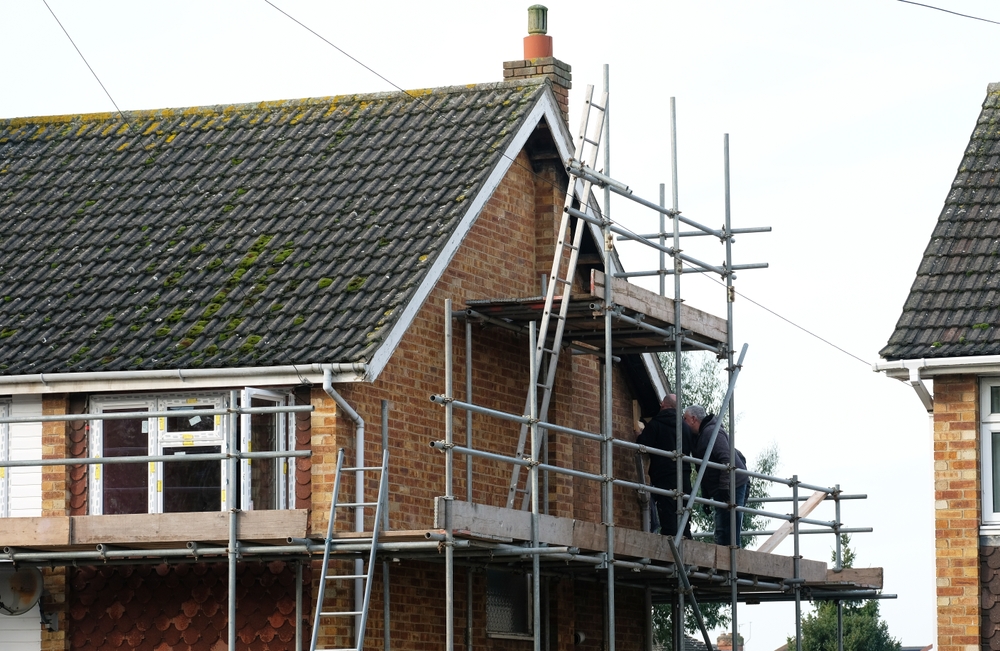
- Algae or Moss Growth: Dark streaks on your roof are typically caused by blue-green algae (Gloeocapsa magma). While mostly a cosmetic issue, heavy moss growth can trap moisture against the shingles and cause them to deteriorate faster.
Interior Inspection (In the Attic)
On a sunny day, head up to your attic with a flashlight and look for:
- Daylight Through the Roof Deck: If you can see any pinpricks of light coming through the roof boards, you have a direct path for water to enter.
- Stains or Streaks: Dark stains or streaks on the underside of the roof deck or along rafters are clear indicators of a leak.
- Moisture or Damp Insulation: Feel the insulation for any signs of dampness. Wet insulation is not only ineffective but can also become a breeding ground for mold and mildew.
- Sagging Roof Deck: A sagging or drooping roof deck is a serious structural issue. It indicates that the decking has been saturated with water over a long period and is starting to rot. This requires immediate professional attention.
If you notice any of these signs, it’s time to call a professional for a thorough inspection. A small repair now can prevent a full roof replacement later. Don’t hesitate to contact us for a comprehensive assessment.
The Shingle Roof Repair Process: What to Expect
Once you’ve decided to move forward with a repair, understanding the process can help demystify the work being done on your home. A professional repair follows a systematic approach to ensure a lasting fix.
Step 1: Professional Inspection and Damage Assessment
The first step is always a detailed inspection by a qualified roofing contractor. A professional will get on your roof to assess the extent of the damage up close. They will:
- Identify all missing, cracked, and lifted shingles.
- Inspect the condition of the flashing, seals around vents, and ridge caps.
- Check the roof decking for soft spots, which indicate moisture damage underneath the shingles.
- Assess the condition of the underlayment in the damaged area if possible.
- Provide a detailed report with photos, explaining the necessary repairs and a transparent cost estimate.
Step 2: Sourcing the Right Materials
One of the challenges with shingle repairs is matching the existing shingles. Shingle colors and styles can be discontinued, and even current products can have slight color variations between manufacturing batches. An experienced roofer will do their best to find a perfect or near-perfect match. If an exact match isn’t available, they may suggest using shingles from a less visible area of the roof (like the back side) for the repair and placing the new, slightly different shingles in that less conspicuous spot.
Step 3: Performing the Repair
The actual repair technique depends on the type of damage.
- Replacing Missing or Damaged Shingles: This is the most common type of shingle roof repair. The roofer will carefully pry up the shingles in the row above the damaged one to expose the nails. They will remove the nails from the old shingle, slide it out, and inspect the underlayment. If the underlayment is also damaged, it will be repaired. The new shingle is then slid into place and secured with roofing nails in the proper locations. Finally, the roofer will apply roofing sealant to the underside of the overlapping shingles to ensure a watertight bond.
- Fixing Lifted Shingles: For shingles that are lifted but not torn, the process is simpler. The roofer will carefully apply a generous amount of roofing cement or sealant under the lifted edge and press the shingle down firmly to re-adhere it to the course below.
- Repairing Flashing: If a leak is traced back to faulty flashing, the repair might involve resealing the edges with high-grade caulking. In more severe cases, the old flashing and surrounding shingles will be removed, the area will be cleaned, a new piece of flashing will be installed, and new shingles will be woven in to create a watertight seal.
Step 4: Final Inspection and Cleanup
After the repairs are complete, the contractor will conduct a final inspection of the work area to ensure everything is sealed correctly and looks clean. A reputable company will also thoroughly clean the ground around your home, using magnetic rollers to pick up any stray nails and removing all old materials and debris. You can see examples of our clean job sites and finished work in our gallery.
Repair vs. Replacement: Making the Right Call for Your Apopka Home
A common question homeowners face is whether to invest in repairs or if it’s time for a full roof replacement. The decision depends on several factors.
When is Repair the Best Option?
Generally, repairs are a cost-effective solution when:
- The Damage is Localized: If you have a small leak or damage confined to one or two areas (e.g., a few shingles blown off in a storm), a targeted repair makes sense.
- The Roof is Young: If your roof is less than 15-20 years old and is otherwise in good condition, it likely has many years of life left. Investing in repairs to address isolated issues is a smart move.
- The Issue is Minor: Problems like loose flashing or a few cracked shingles can often be repaired quickly and affordably, extending the life of your entire roof.
When Should You Consider a Full Replacement?
A replacement becomes the more logical and financially sound choice when:
- The Roof is Nearing the End of its Lifespan: An average architectural shingle roof lasts about 20-25 years in Florida. If your roof is approaching this age and showing signs of widespread wear (like extensive granule loss, brittleness, or curling), a replacement is more economical than making continuous, costly repairs.
- The Damage is Widespread: After a severe hurricane or if the roof has been neglected for years, you may have damage across more than 30% of its surface. At this point, a replacement is often more practical than a patchwork of repairs.
- You’re Experiencing Multiple Leaks: If new leaks keep popping up in different places, it’s a sign that the entire roofing system is failing.
- There is Rotting Decking: If a roofer finds significant rot in the underlying roof deck, the shingles must be removed to replace the wood. This often makes a full replacement the only viable option.
At HW Roofing, we provide honest assessments to help you make the best decision for your home and budget.
The Cost of Shingle Roof Repair in Apopka
The cost of shingle roof repair can vary widely based on the extent of the damage, the type of shingles, and the complexity of the job.
Factors Influencing Repair Costs:
- Scope of Damage: Replacing a few shingles will cost significantly less than repairing a large section of the roof with underlying decking damage.
- Roof Pitch (Steepness): A steeper roof is more difficult and dangerous to work on. It requires more safety equipment and labor, which increases the cost.
- Accessibility: If your roof is hard to access, it may require extra time and equipment, affecting the price.
- Shingle Type: Basic 3-tab shingles are cheaper to repair than high-end luxury shingles, which cost more per bundle and may require more skill to install correctly.
- Underlying Damage: If the roofer discovers rotted decking or damaged underlayment, this will need to be replaced at an additional cost per square foot.
The Cost of Delaying Repairs
While it might be tempting to put off a small repair to save money in the short term, this is almost always a mistake. The cost of delaying repairs is far greater than the initial fix.
- A Small Leak Becomes a Big Problem: A leak that could have been fixed for a few hundred dollars can quickly lead to thousands of dollars in damage. Water can saturate insulation, ruin drywall and ceilings, and create the perfect environment for dangerous black mold to grow.
- Structural Damage: Prolonged water exposure will rot the wooden components of your roof structure, including the decking, rafters, and joists. Repairing this structural damage is an extensive and expensive project.
- Higher Utility Bills: Wet insulation loses its R-value, meaning it can no longer effectively insulate your home. Your HVAC system will have to work harder to maintain a comfortable temperature, leading to higher energy bills month after month.
- Voided Insurance Claims: Most insurance policies require homeowners to perform reasonable maintenance to prevent damage. If you knowingly neglect a leak and it leads to major problems, your insurer may deny your claim.
Timely roof repairs are not an expense; they are an investment in protecting your most valuable asset.
Finding the Right Roofing Contractor in Apopka, FL
Choosing the right contractor is just as important as deciding to do the repair. A reputable, professional roofer ensures the job is done correctly, using quality materials and standing behind their work.
What to Look for in a Roofer:
- Licensed and Insured: This is non-negotiable. The contractor must have a valid Florida roofing license and carry both general liability insurance and workers’ compensation. This protects you from any liability in case of accidents on your property.
- Local Experience: A local company understands the specific challenges of the Apopka climate and is familiar with local building codes and permitting requirements. They also have a local reputation to uphold.
- Positive Reviews and References: Look for a company with a strong track record of positive customer reviews on platforms like Google and the Better Business Bureau. Don’t be afraid to ask for references from recent customers.
- Detailed, Written Estimates: A professional contractor will provide a comprehensive estimate that details the scope of work, materials to be used, labor costs, and project timeline. Avoid vague or verbal quotes.
- Warranty on Workmanship: A confident roofer will offer a warranty on their labor. This shows they stand behind the quality of their repairs.
Your home’s roof is too important to entrust to just anyone. Take the time to vet potential contractors to ensure you receive high-quality, reliable service.
Conclusion: Protect Your Apopka Home with Proactive Roof Care
For homeowners in Apopka, a shingle roof is a reliable and attractive choice, but it requires diligent care. The combination of intense sun, heavy rain, and high winds in Central Florida means that wear and tear is inevitable. By learning to identify the early signs of damage—from missing shingles and granule loss to interior water stains—you can take proactive steps to protect your home.
Addressing shingle roof issues promptly is the key to avoiding widespread, costly damage. A minor repair today can prevent a major headache involving rotted decking, mold remediation, and structural issues tomorrow. Whether you need a simple fix for a few blown-off shingles or a more comprehensive assessment to decide between repair and replacement, partnering with a trusted, local roofing professional is essential.
Don’t wait for a small drip to become a downpour. If you suspect your shingle roof needs attention, the best course of action is to schedule a professional inspection. Contact us today to ensure your roof remains a strong, secure shield for your Apopka home for years to come.
Protect Your Home Today
Trust Horizon West Roofing to provide the ultimate protection for your property against Central Florida’s extreme weather. Contact us now for a free consultation
Get Your Free Roof Inspection